Process
The Co-Cities process, or co-creation cycle, consists of six phases: Cheap Talking, Mapping, Practicing, Prototyping, Testing, and Modeling.
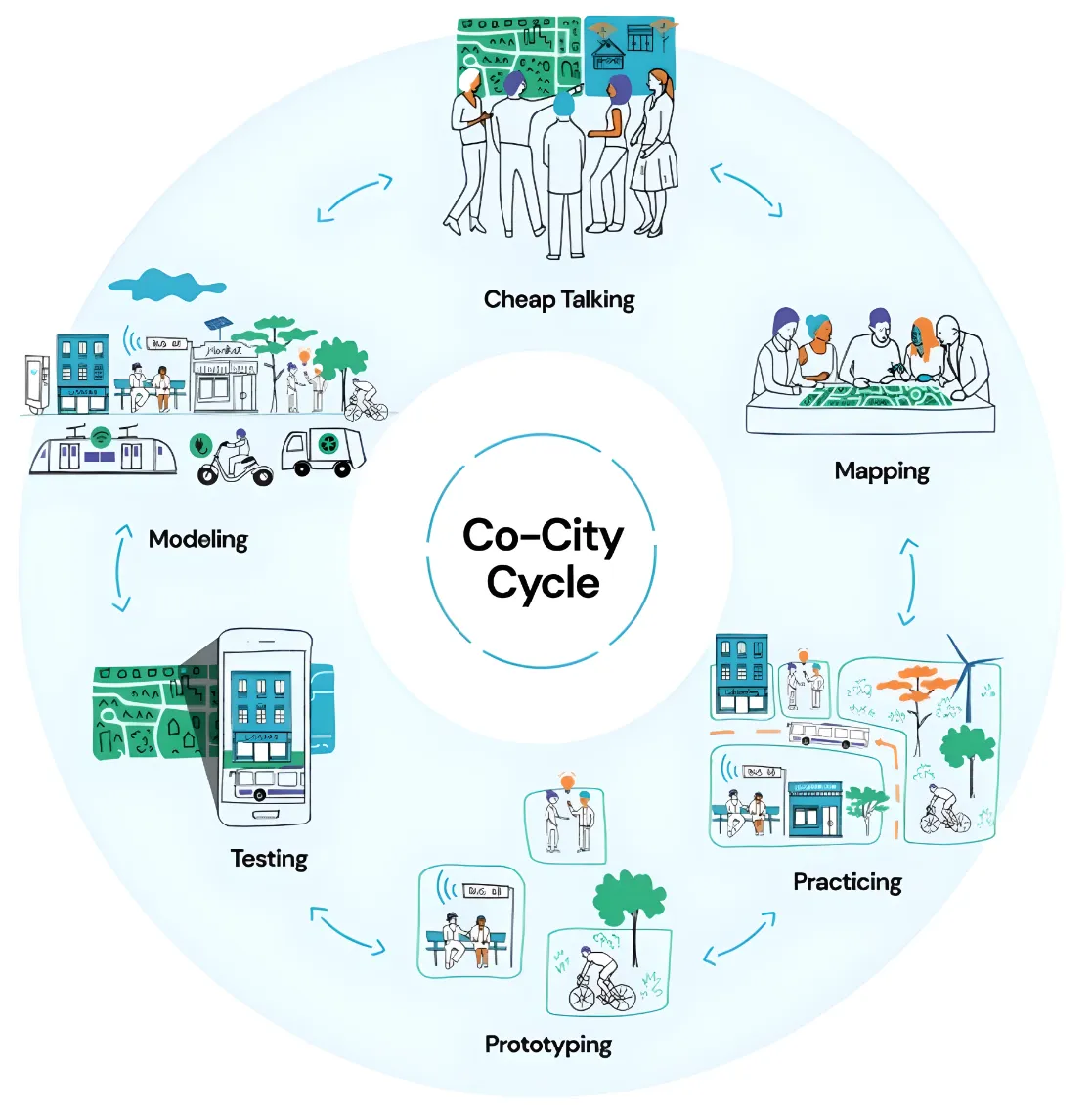
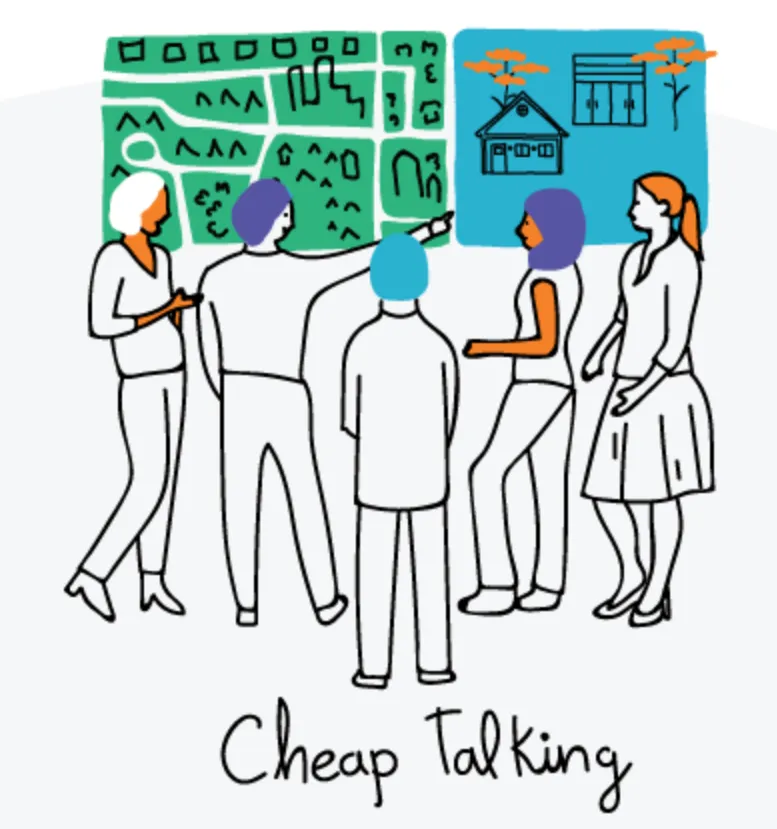
Cheap talking, a concept that originated in game theory and was later applied to the study of common-pool resources, involves creating informal spaces for open discussion. In the context of co-governance, this phase emphasizes identifying existing or potential shared resources within a neighborhood or city district. Its goal is to foster community engagement by encouraging dialogue with key local actors (such as scholars, experts, and practitioners). Listening to and learning from these stakeholders is crucial for laying a foundation for collective action.
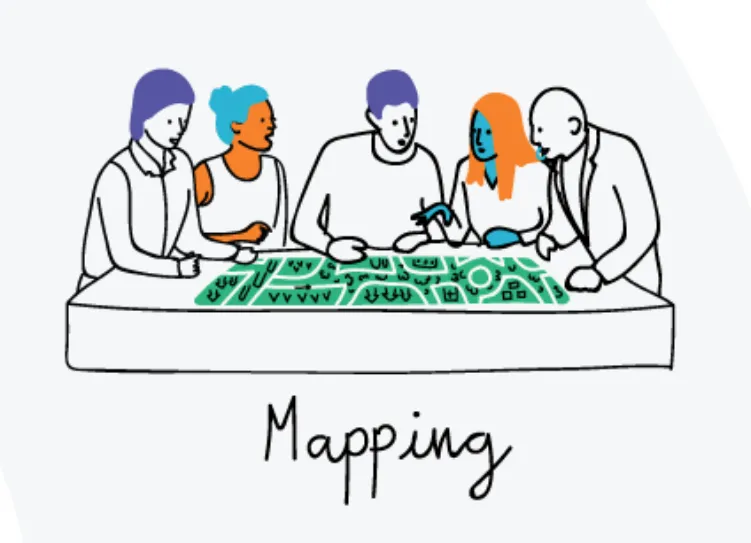
The second phase is the mapping phase, which unfolds in two parallel directions: analog (offline) and digital (online or e-mapping). This phase builds on insights gathered during the cheap talking phase and uses fieldwork activities to begin identifying potential locations for co-governance. It may involve ethnographic research, direct observation, exploratory interviews, and surveys, tools drawn from prior applied and experimental studies on the co-governance.
Additionally, the goal is to visualize existing or emerging community commonalities through civic initiatives and self-organized efforts. Mapping also helps planners understand the specific characteristics of the local context, laying the groundwork for designing and prototyping appropriate governance tools in the next stages of the process.
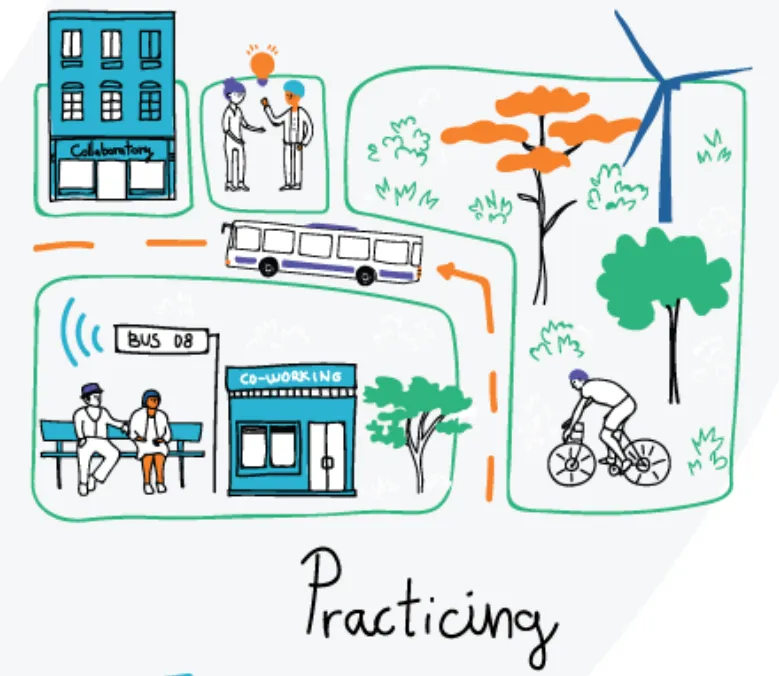
The third phase is experimental by nature. It centers around a “collaboration camp,” where connections are built between emerging community‑driven urban projects and local authorities. Collaborative actors (city residents, social innovators, universities, nonprofits, enterprises, corporate social responsibility programs, and other public bodies) are invited to participate in co‑working sessions aimed at identifying synergies and aligning efforts.
These sessions often culminate in a “collaboration day,” which may take the form of placemaking events such as civic maintenance festivals, temporary activation of unused buildings, micro‑regeneration projects, creation of community gardens, or cultural programming. These activities serve as real‑world tests to coordinate and refine ideas generated during the collaboration camp.
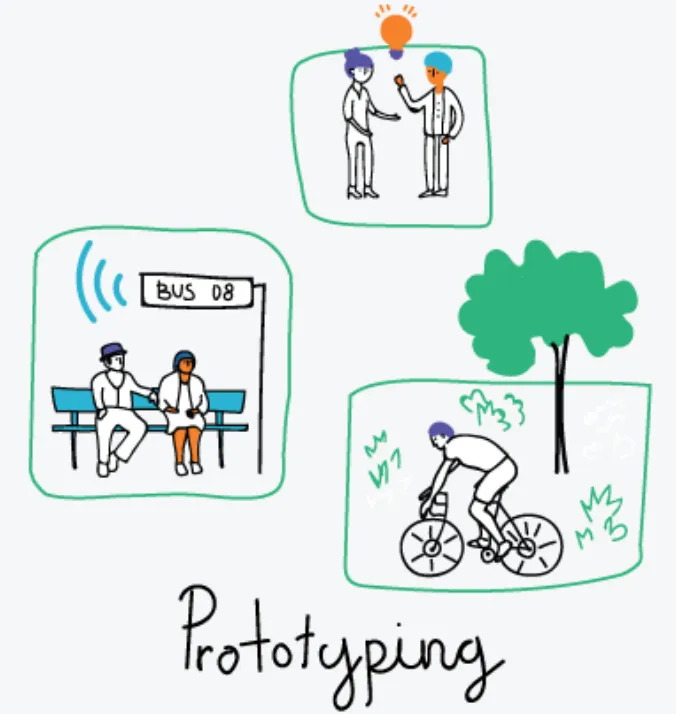
The fourth phase, prototyping, centers on governance innovation. Participants and policymakers begin by reflecting on insights from the mapping and practicing phases to identify the specific needs and characteristics of the community. With this understanding, they move into co-designing and potentially implementing governance or policy solutions. The aim is to establish trust within the community and with external stakeholders. This phase also introduces co-design pathways, supported by expert professionals, to guide and sustain self-organization processes that lead to the creation of governance models for co-governance
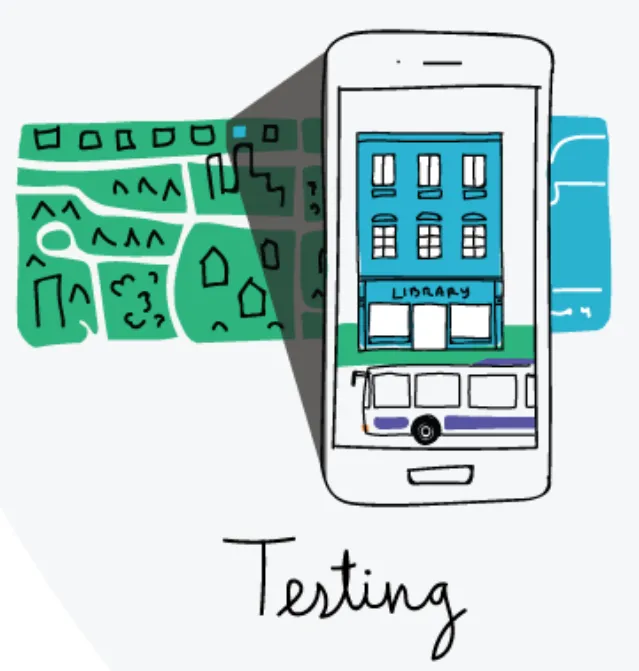
The fifth phase, testing, involves implementing the governance or policy prototype and monitoring its performance. Evaluation is conducted using both qualitative and quantitative metrics to determine whether the implementation aligns with the design principles and objectives established earlier in the process. These evaluation methods must be adapted to fit the specific local context and the unique characteristics of the urban co-governance tools being applied, rather than copied and applied uncritically.
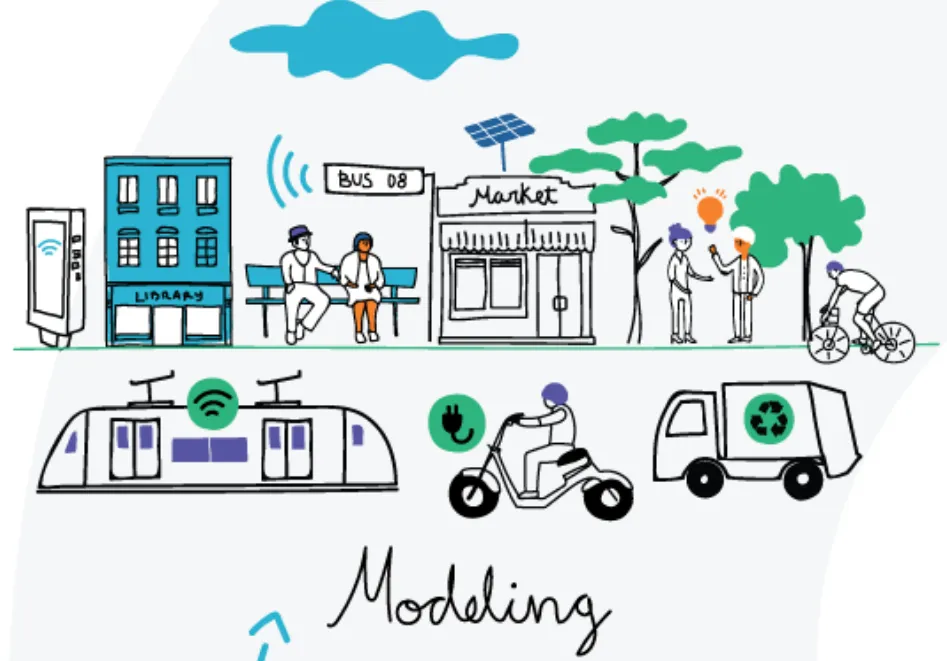
The sixth phase, modeling, focuses on adapting the governance prototype to the legal and institutional framework of the city. This ensures alignment with the broader urban ecosystem. It involves studying relevant regulations, administrative acts, and engaging in dialogue with civil servants and policymakers. As an experimental phase, it may require suspending existing rules, modifying bureaucratic procedures, or drafting new policies, some of which may include sunset clauses and scheduled re-evaluation. This phase can also lead to the creation of internal or external offices or support infrastructure to sustain the policies and promote co-governance throughout the city.